Flexible friends – how funders can help change systems from within
By Rob McCabe 24/06/2023
The Pathfinder has developed over the last seven years, initially working with six special schools in Birmingham, to working with 30 (mainstream primary secondary and special schools) as of today. The Pathfinder offers a ‘relationship first’ approach to supporting and empowering families through schools. Throughout the Pathfinder’s journey we have sought to challenge the notion that local authority family support needs to be time-limited to protect resources and meet new demand, whereas, in fact, we strongly believe that by offering sustained support, and maintaining relationships with families, eco-systems of support are created, whereby families become part of the help-solution.
The Pathfinder seeks to utilise existing resources, knowledge, and expertise in the system, bringing together different multi-agency disciplines, to work as a part of a values-led, relational model of family support. For example, one of the operational leads for the Pathfinder is employed by Aquarius substance misuse agency, a Catholic Multi Academy of Schools employs another Pathfinder Practice Supervisor, and we have previously had coordinators employed by schools, the DWP and the Special School Nurse Service in Birmingham. This collective cross agency/organisational structure and approach is a key part of the Pathfinder’s success. We think such arrangements are necessary to counter the discontinuity of silo working; and overcome the challenge of statutory organisations’ focus on differing outcomes and targets.
We understand that arrangements like ours are unconventional and at first glance raise issues of accountability for potential funders. Projects based in a centralised financial body (usually a charity) which employs all the staff, may on the surface provide more confidence with regards to financial due diligence and accountability. However, the Pathfinder’s strength is in the collective approach of multiple organisations (each with their own financial governance and safeguarding arrangements in place).
We also understand that independent funders do not want to duplicate statutory responsibilities but new models, especially innovations attempting to grow from the frontline, are often unfunded altogether or will certainly lack funds for key things – development, learning, connection with others, evaluation etc. Getting to the point where money is spent differently and especially across siloes in public system is an important indicator that an innovation is successfully shifting the hardwiring of the system but it takes time, sometimes years, to reach this point. It is incredibly challenging to convince a large government funded organisation to use part of its funding to change the way in which it works, when its’ financial mechanisms, funding processes and metrics system are built upon ‘business as usual’. This is the space that the Pathfinder has operated in and for over seven years the flexible support of independent charities such as Lankelly Chase Foundation have been crucial in sustaining the work from its initial beginnings.
We invite funders to look more closely at what is happening here (and indeed in other frontline-led innovations inside the systems that need to change) and be open to varying their criteria and their own approach. We know many independent funders are interested in resourcing systemic change. We think flexible resourcing for initiatives like the Pathfinder – collective, cross-silo and inside the system – has more potential to promote that change than some more conventional approaches. Systems change demands change from everyone involved. In short, the innovation and creativity of Pathfinder practice alone, is unlikely to sustain its’ future, unless matched by similarly innovative and flexible approaches to funding. Therefore, we would make a plea for funders to forge deeper understanding of how work such as the Pathfinder, despite being situated within local authority work, is at danger of being ‘starved of oxygen’ within the system it is seeking to change. Independent charitable trusts are a vital lifeline in helping to ensure the survival and development of innovative work happening across the country.
About the Author

Rob McCabe
Rob sees his role as being to ensure that the Pathfinder is DOING more, which involves lots of listening, talking, emailing, thinking, rethinking, advice-taking, laughing, some stressing and lots of appreciating the amazing people around him!
Rob has 33 years’ experience in social care. He started out in residential care and support roles within schools and further education, subsequently working as an education support worker in the Youth Offending Service, before beginning work on developing the Birmingham Pathfinder.
As a teen, Rob boxed for Birmingham Irish ABA and worked on Birmingham markets selling fruit and veg; experience which has come in handy on lots of occasions!
He has a Diploma in Social Work and BA (Hons) European Social Work Degree.
One of his favourite things in the world is to couch out to Netflix with his fam; and then fall asleep with his one-eyed cat Bob, usually before the film finishes.
Our News
View All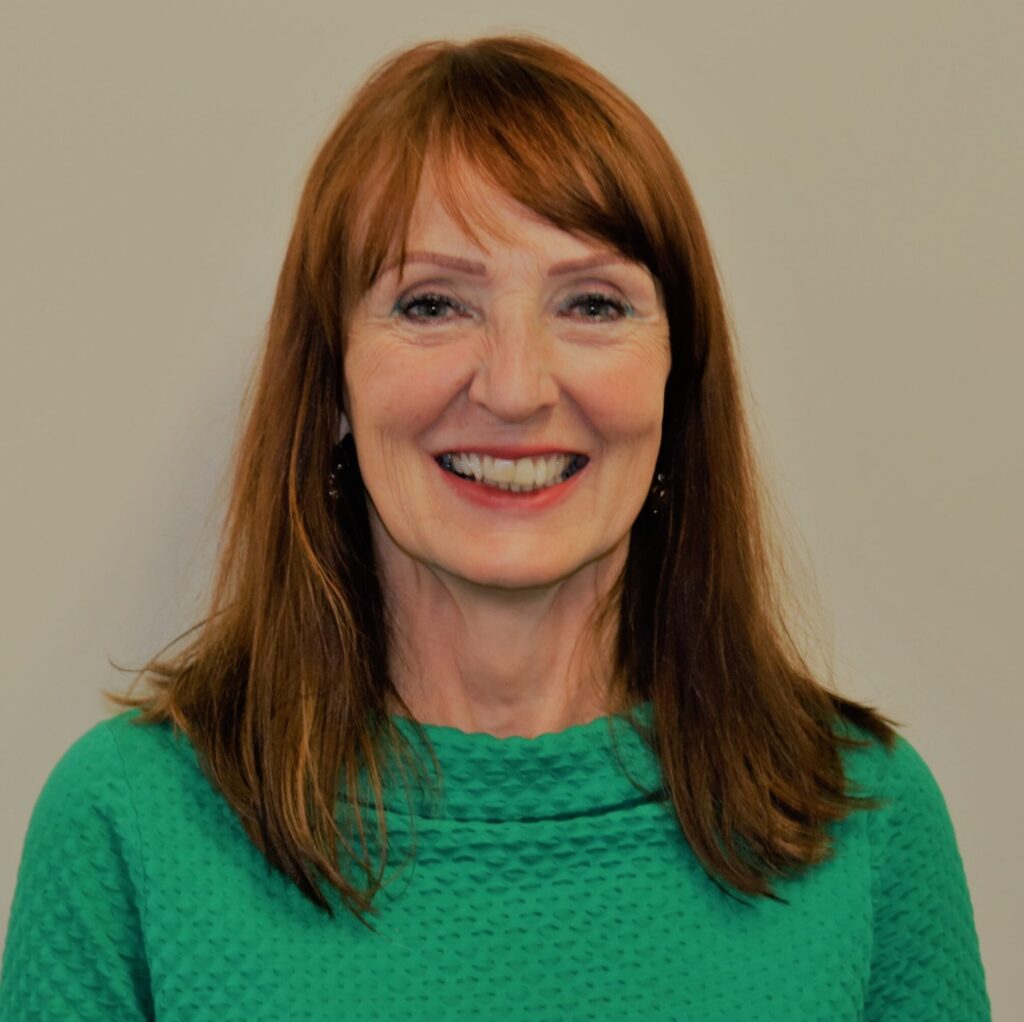
Jean Templeton joins the board of Birmingham Pathfinder CIC


Get in Touch